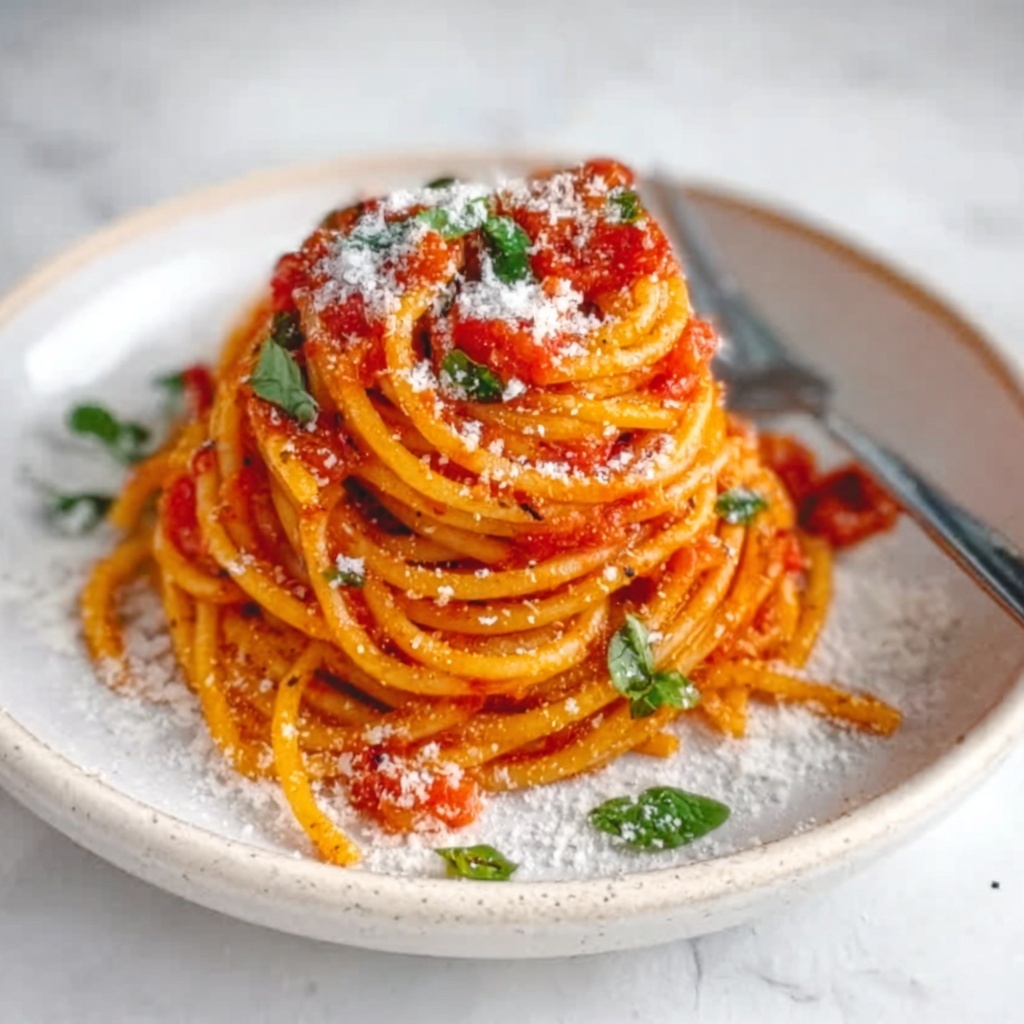
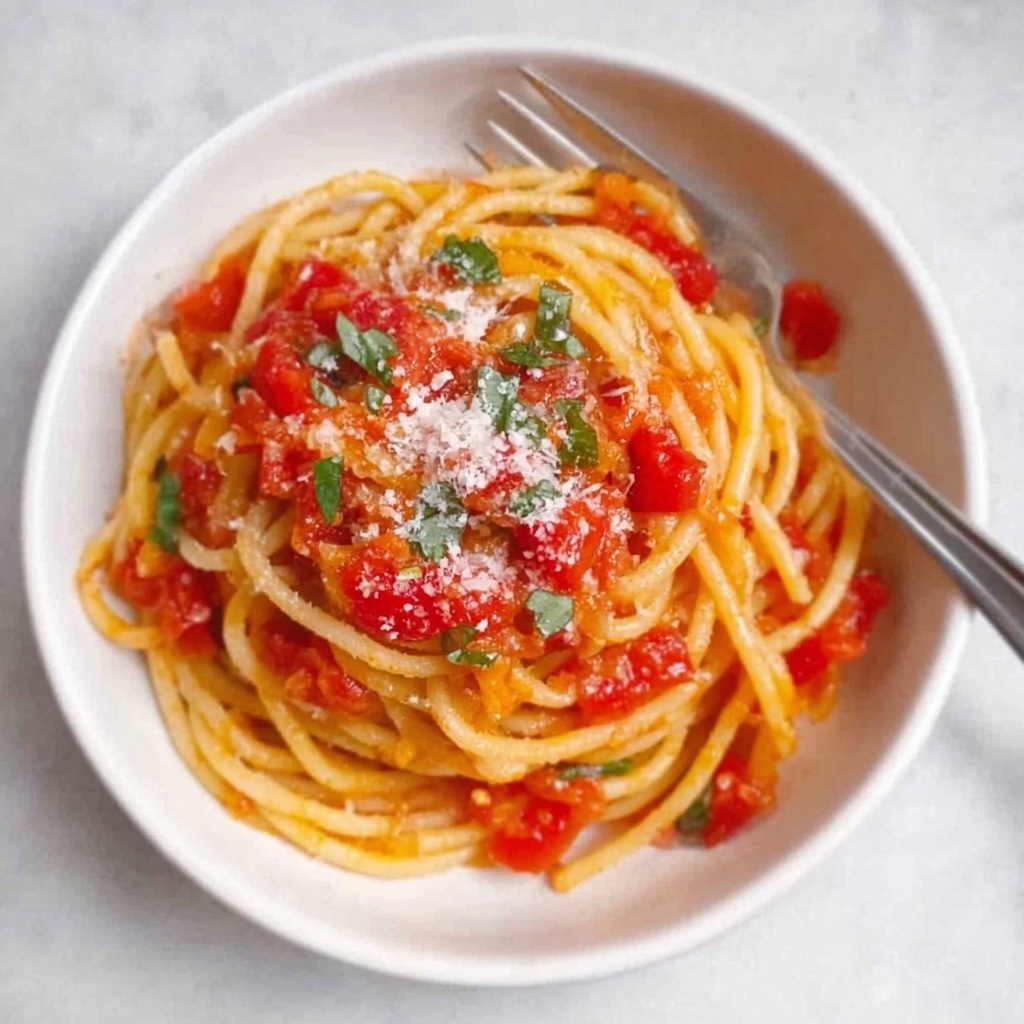
If you have a soft spot for authentic Italian flavors that warm your heart and your kitchen, then you will absolutely adore this Pasta Napoletana Recipe. It effortlessly brings together simple ingredients into a vibrant, comforting dish showcasing the rich taste of sun-kissed tomatoes, fragrant basil, and perfectly al dente pasta. This recipe captures the soulful essence of Naples in every bite, making it a timeless favorite to prepare any day of the week.
Ingredients You’ll Need
Gathering ingredients for this Pasta Napoletana Recipe is wonderfully straightforward. Each ingredient plays its own crucial role in creating that delightfully balanced texture and flavor profile you expect from a classic Italian sauce. With pantry staples and fresh flavors combined, you’re well on your way to a satisfying meal.
- 8oz (220 grams) spaghetti or bucatini: Choose your favorite pasta shape, though long pasta works beautifully to hold the sauce.
- 1 Tbsp olive oil or extra virgin olive oil: Adds the essential silky base and depth of flavor while cooking the aromatics.
- 1 medium-sized onion, finely chopped: Offers subtle sweetness and body as it slowly softens in the pan.
- 2-3 garlic cloves, minced: Infuses the sauce with pungent warmth without overpowering the fresh tomato essence.
- 1 can (14oz/400 grams) tomatoes (whole, diced, or cherry): Provides the vibrant, juicy foundation of the sauce, bursting with natural sweetness and acidity.
- ½ tsp fine salt, plus more to taste: Enhances all the flavors, bringing harmony to the dish.
- ⅛ tsp black pepper: Adds just a whisper of heat and depth.
- 1 handful of basil leaves, chopped or torn: Delivers the unmistakable, fresh herbal note that lifts the sauce to another level.
- 3 Tbsp grated parmesan, to serve: Brings rich umami and creaminess as a finishing touch that makes you savor every bite.
How to Make Pasta Napoletana Recipe
Step 1: Boil the Pasta
Start by bringing a large pot filled with salted water to a rolling boil. Cooking the pasta closer to when the sauce is ready ensures it’s fresh and perfectly al dente. About five minutes after you begin your sauce, add the pasta to the boiling water and cook according to package instructions, usually around 8 to 10 minutes.
Step 2: Sauté the Aromatics
Meanwhile, heat the olive oil in a large skillet over medium heat until it shimmers. Add the finely chopped onion and cook gently, stirring occasionally, until translucent and fragrant—this should take about 5 to 6 minutes. This step is where your sauce gains its lovely, soft base.
Step 3: Add the Garlic
Next, stir in the minced garlic and cook for just a minute or two until aromatic. Be careful not to let it brown, as burnt garlic can impart bitterness and throw off the delicate balance of the sauce.
Step 4: Simmer the Tomato Sauce
Pour in your choice of canned tomatoes—whole, diced, or even cherry tomatoes work wonderfully—and gently crush any whole tomatoes with the back of a spoon. Sprinkle in the fine salt and black pepper. Reduce the heat to low and let everything simmer together for about 10 minutes. This slow cooking melds the flavors beautifully and thickens the sauce to a luscious consistency.
Step 5: Add Fresh Basil and Combine
Just before the sauce finishes cooking, fold in the torn or chopped basil leaves for that signature fresh, aromatic pop. Drain the pasta once it’s perfectly cooked, then toss it with the sauce until every strand is gloriously coated.
How to Serve Pasta Napoletana Recipe
Garnishes
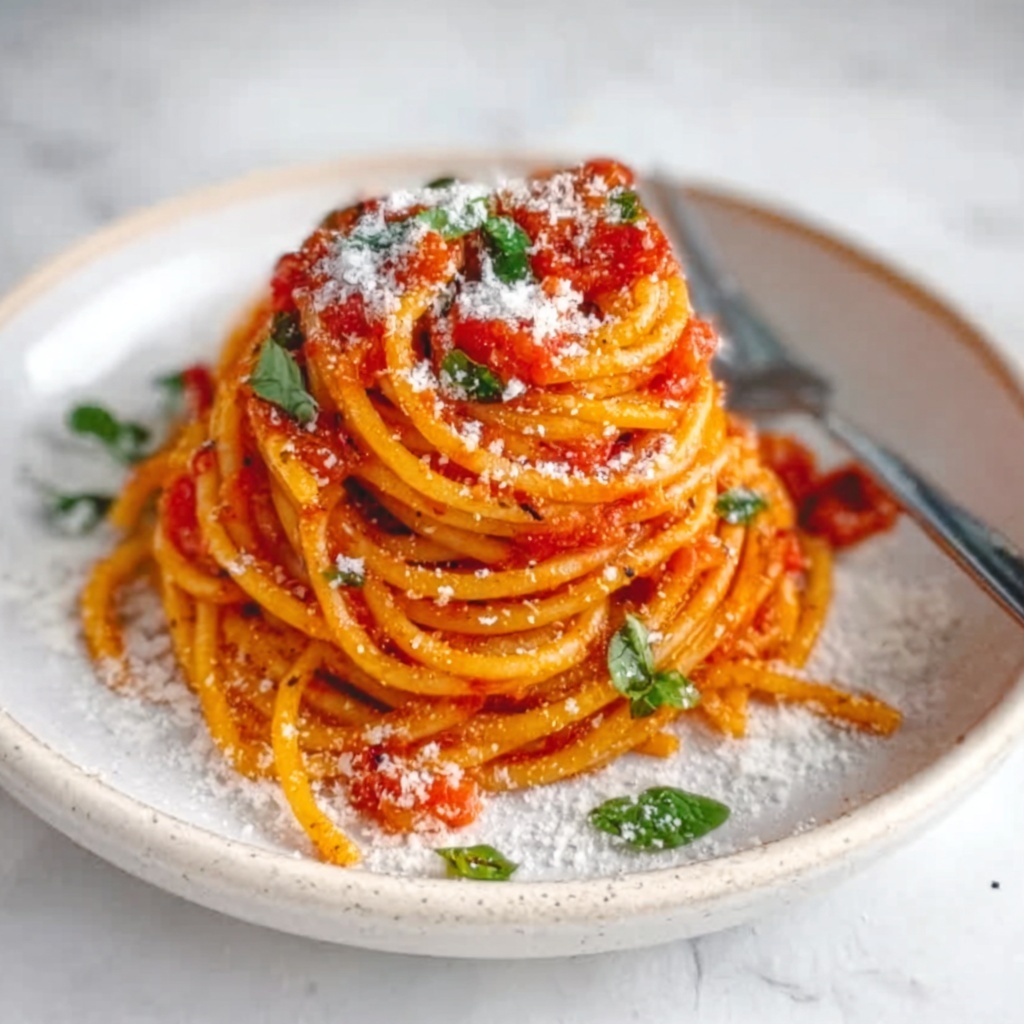
A sprinkle of freshly grated parmesan cheese provides that irresistible savory depth and slight creaminess that makes this dish feel lovingly indulgent. A drizzle of extra virgin olive oil adds subtle fruitiness and shine, while a few extra basil leaves on top offer gorgeous color and fresh herbal notes just before serving.
Side Dishes
This Pasta Napoletana Recipe pairs beautifully with a crisp green salad dressed simply with lemon and olive oil to cut through the richness. For something heartier, warm garlic bread or a rustic Italian loaf invites swooning scoops of any leftover sauce.
Creative Ways to Present
For a festive touch, you can plate the pasta in shallow bowls and place a couple of basil sprigs on top. Alternatively, serve it family-style in a large serving dish so everyone can twirl their portions at the table. Adding a grating of black pepper just before eating adds a fresh and mildly spicy lift.
Make Ahead and Storage
Storing Leftovers
If you’re lucky enough to have leftovers, transfer them into an airtight container and refrigerate for up to 3 days. The sauce flavors tend to deepen overnight, lending an even tastier next-day meal.
Freezing
Freezing this pasta is possible though it’s best to freeze the sauce separately from the pasta to maintain texture. Store the sauce in freezer-safe containers for up to 3 months, then simply thaw and reheat when needed.
Reheating
Reheat leftover Pasta Napoletana Recipe gently on the stovetop with a splash of water or olive oil to loosen the sauce. Microwave reheating works too if you cover the dish to maintain moisture and stir occasionally for even warming.
FAQs
Can I use fresh tomatoes instead of canned for this Pasta Napoletana Recipe?
Absolutely! Fresh, ripe tomatoes can be used, but make sure to blanch and peel them first for the best sauce texture and pure flavor. You may want to cook the sauce a bit longer to allow the sauce to thicken properly.
Is there a substitute for parmesan in this recipe?
If you’re looking for a non-dairy alternative, nutritional yeast can provide a cheesy flavor, or you can try vegan parmesan substitutes. Keep in mind that traditional parmesan adds a distinct nutty richness that complements the sauce beautifully.
How do I make the sauce spicier?
Add a pinch of red pepper flakes while sautéing the onions. This will inject a gentle heat that contrasts nicely with the sweet tomato and fresh basil components.
Can I prepare this Pasta Napoletana Recipe for a crowd?
Yes! Simply multiply the ingredient quantities and use a larger pan or pot to accommodate the bigger batch. The sauce scales nicely, making it perfect for gatherings.
What kind of pasta works best with this sauce?
Traditional long pasta like spaghetti or bucatini works wonderfully, as the thin strings allow the sauce to cling perfectly. However, short pasta can be used as well, especially if you enjoy a hearty bite.
Final Thoughts
This Pasta Napoletana Recipe is a true celebration of simplicity done right. Every spoonful invites you to savor the fresh, timeless flavors that Italian cuisine is known for. I encourage you to try making this delicious dish—it’s not only easy to prepare but also incredibly rewarding in taste. Once you do, it will undoubtedly become a cherished favorite you want to share again and again.
Print
Pasta Napoletana Recipe
- Prep Time: 5 minutes
- Cook Time: 15 minutes
- Total Time: 20 minutes
- Yield: 4 servings
- Category: Main Course
- Method: Stovetop
- Cuisine: Italian
- Diet: Vegetarian
Description
This Pasta Napoletana recipe features a classic Italian tomato sauce made with fresh garlic, onions, and basil, tossed with perfectly cooked spaghetti or bucatini. It offers a simple yet flavorful meal ready in just 20 minutes, ideal for a quick weeknight dinner that celebrates the authentic taste of Naples.
Ingredients
Pasta
- 8oz (220 grams) spaghetti or bucatini (short pasta is fine too)
Sauce
- 1 Tbsp olive oil or extra virgin olive oil, plus more for drizzling
- 1 medium-sized onion, finely chopped
- 2–3 garlic cloves, minced
- 1 can (14oz/400 grams) tomatoes (whole, diced or cherry tomatoes)
- ½ tsp fine salt, plus more to taste
- ⅛ tsp black pepper
- 1 handful of basil leaves, chopped or torn
- 3 Tbsp grated parmesan, to serve
Instructions
- Prepare the pasta: Bring a large pot of salted water to a rolling boil. Prepare to cook the pasta approximately 5 minutes after starting the sauce so they finish around the same time. Add the pasta to the boiling water and cook according to the package instructions until al dente, usually about 8-10 minutes.
- Make the Napoletana sauce: Heat 1 tablespoon of olive oil in a large pan over medium heat. When the oil starts to shimmer, add the finely chopped onion. Sauté gently for 5-6 minutes or until the onion becomes soft and translucent, stirring occasionally to prevent burning.
- Add garlic: Stir in the minced garlic cloves and cook for about 1 minute until fragrant but not browned to avoid bitterness.
- Add tomatoes and seasoning: Pour in the canned tomatoes with their juices. Break up whole tomatoes with the back of a spoon if needed. Add ½ teaspoon of fine salt and ⅛ teaspoon of black pepper. Let the sauce simmer gently for about 8-10 minutes to allow the flavors to meld and the sauce to thicken slightly.
- Finish the sauce: Tear or chop the basil leaves and stir into the sauce just before removing from heat to preserve their fresh aroma. Adjust seasoning with additional salt if needed.
- Combine pasta and sauce: Drain the cooked pasta well, reserving a little pasta water if needed to loosen the sauce. Toss the pasta directly into the sauce pan, mixing thoroughly to coat every strand.
- Serve: Plate the pasta, drizzle with a little extra virgin olive oil for a silky finish, and sprinkle generously with grated parmesan cheese. Serve immediately while hot.
Notes
- Be sure not to overcook the garlic to keep the sauce fragrant without bitterness.
- You can use any type of canned tomatoes based on your preference: whole, diced, or cherry tomatoes all work well.
- Reserving a small amount of pasta cooking water helps loosen the sauce if it becomes too thick.
- For a vegan version, omit the parmesan or use a plant-based alternative.
- Fresh basil added at the end provides the best flavor impact, avoid cooking it too long.